Sovereign Cloud Computing Evolves Beyond Geographic Boundaries
The concept of sovereign cloud computing is undergoing a fundamental transformation as organizations move away from geography-based definitions toward control-centric models that better accommodate modern workloads.
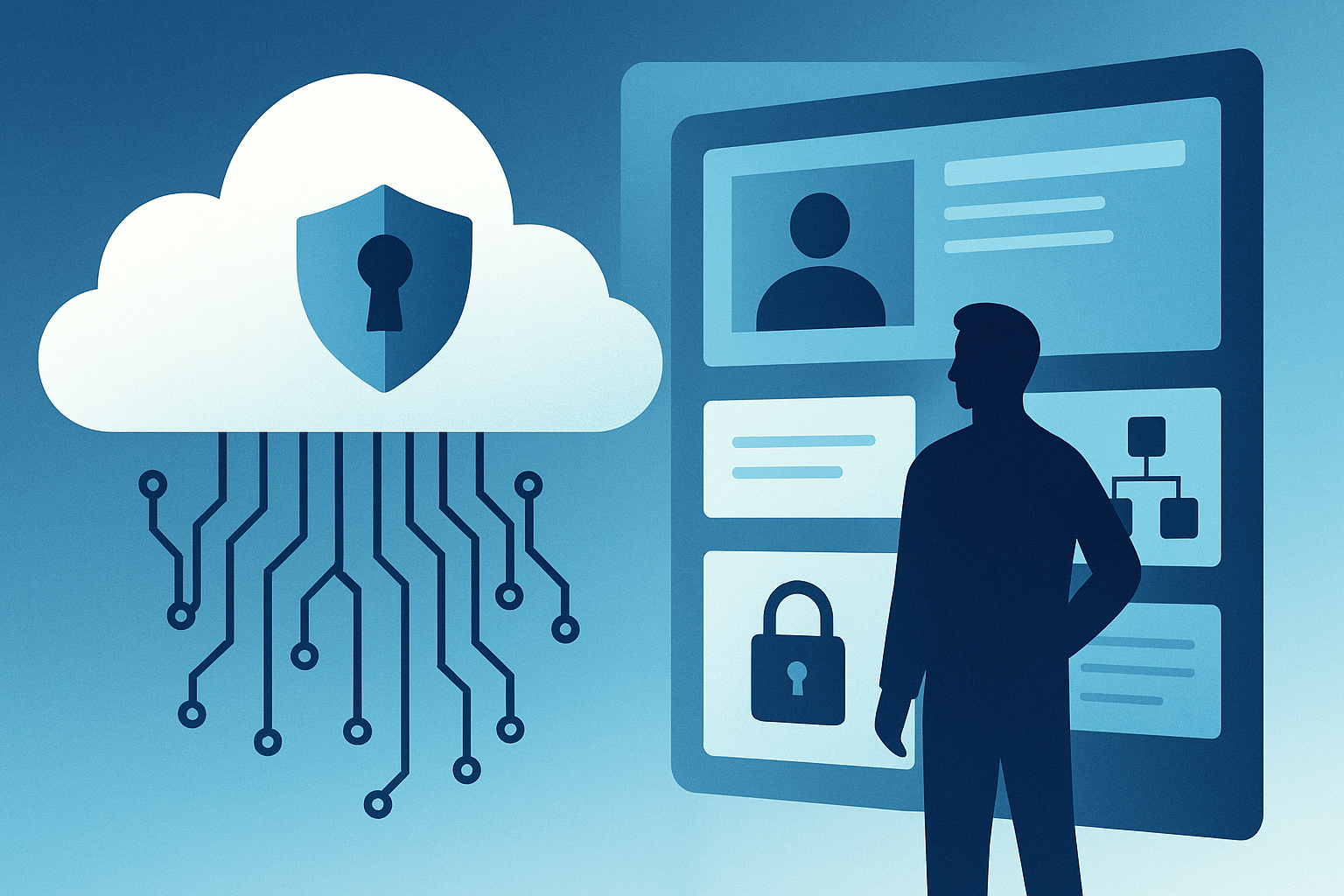
The concept of sovereign cloud computing is undergoing a fundamental transformation as organizations move away from geography-based definitions toward control-centric models that better accommodate modern workloads.
Traditional sovereign cloud architectures centered on keeping data and infrastructure within specific national borders. However, the rise of artificial intelligence workloads, distributed application architectures, and increasingly complex regulatory requirements are forcing a strategic rethink across the industry.
AI Workloads Drive Architectural Change
The proliferation of AI applications has emerged as a key catalyst for this evolution. Organizations building and deploying AI models face challenges when concentrating massive datasets in centralized cloud environments, where costs, security risks, and compliance complications can multiply.
According to Nutanix's Lee Caswell, who serves as senior vice president of product and solutions marketing, customers are moving toward architectures that process AI workloads closer to data sources while maintaining unified security policies and operational governance.
Control Becomes the New Standard
Rather than defining sovereignty through physical location, organizations are increasingly focused on maintaining authority over their systems regardless of where they operate. This means retaining the ability to monitor, manage, secure, and restore applications without relying on external service providers.
Nutanix has adapted its platform to reflect this shift, enabling management capabilities that previously required cloud-based delivery to function within customer-controlled environments. The company now supports security and governance deployments in isolated or disconnected facilities, while orchestration can remain private even when applications run on public cloud platforms.
The platform's licensing model has also evolved to follow workloads rather than remain tied to specific infrastructure, allowing organizations to move licenses between their own hardware and rented cloud servers as needed.
Security Extends to Modern Workloads
As enterprise environments become more complex, security enforcement is expanding beyond traditional virtual machines to encompass containers and bare-metal systems, including Kubernetes deployments.
Nutanix is developing Kubernetes platform support for operating system images that comply with United States government security standards, though the company has not announced a release timeline for this capability.
For AI applications, the company's Enterprise AI offering now includes government-ready editions of Nvidia's AI Enterprise software, featuring hardened inference services designed to satisfy federal compliance mandates.
Recovery Strategies Reflect Regulatory Priorities
Business continuity planning is also being reframed through a sovereignty lens. Organizations are moving away from uniform recovery approaches toward prioritized restoration strategies that account for regulatory requirements and business criticality.
Nutanix customers can now establish recovery policies that maintain security configurations while controlling restoration sequences during outages affecting multiple sites or regions.
Market Dynamics Accelerate Evaluation
The broader market context is amplifying interest in these capabilities. According to Caswell, uncertainty around VMware's future is prompting customers to evaluate alternatives, with most organizations now hesitant to deploy new workloads on that platform despite not planning immediate large-scale migrations.
IDC vice president Dave Pearson notes that distributed sovereign cloud approaches are becoming essential for organizations balancing regulatory compliance with operational requirements.
Strategic Rather Than Tactical Shift
These developments represent more than incremental product updates. They signal a structural change in how cloud infrastructure is conceived and deployed, with sovereignty evolving from a checkbox requirement satisfied by geographic placement into an ongoing operational discipline shaped by artificial intelligence, regulation, and enterprise architectural complexity.
The implications extend across sectors where data governance, regulatory compliance, and operational autonomy intersect—areas where the location of infrastructure matters less than who maintains ultimate control over it.