Lenovo Is Quietly Dropping the Windows Tax — And It Should Make Every Business Think Twice
Lenovo is selling ThinkPads with Linux pre-installed for up to $140 less than the Windows equivalent. For businesses planning a 2026 refresh, the case for sticking with Windows is weaker than ever.
For years, buying a laptop meant paying for Windows whether you wanted it or not. That's starting to change — and Lenovo is leading the charge.
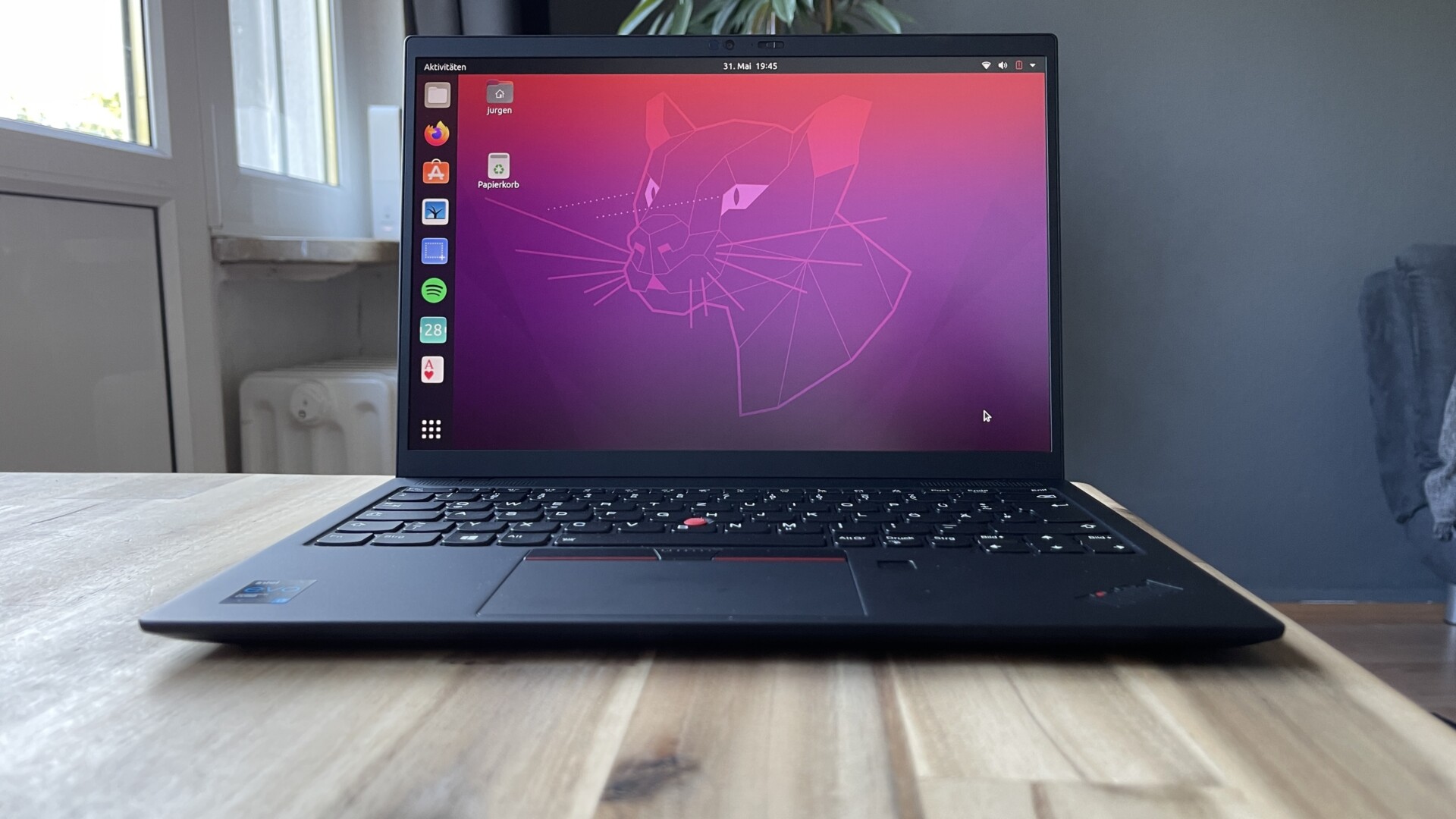
The world's largest PC manufacturer is now selling ThinkPad laptops in the US and Canada with Fedora Linux or Ubuntu pre-installed, at prices up to $140 cheaper than the identical Windows model. Same hardware. Same ThinkPad X1 Carbon. Just a different operating system — and a noticeably smaller invoice.
It's a quiet move, but the implications are significant.
What's the "Windows Tax"?
Every Windows laptop you buy includes a Microsoft licence bundled into the price. You don't see it as a separate line item, but it's there — typically adding £80 to £150 to the cost of a device. For individual consumers it's barely noticeable. For a business buying 50, 100 or 500 devices at once, it adds up fast.
Lenovo's pricing makes this visible for the first time at scale. The $140 saving on a single ThinkPad X1 Carbon isn't a rounding error — it's a real reflection of what the Windows licence actually costs when you strip it out.
Why Now?
The timing is no accident. Microsoft ended support for Windows 10 in October 2025, forcing businesses to either upgrade devices to Windows 11 or replace hardware that doesn't meet the new requirements. That created a forced hardware refresh cycle — and with it, a natural moment for IT decision-makers to ask whether they're making the right OS choice.
For many businesses, particularly those running web-based or cloud applications, the honest answer is: Windows may not be necessary at all.
What This Means for UK Businesses
Lenovo's Linux offering is currently limited to the US and Canadian storefronts, but the signal it sends is global. Linux on the desktop has matured significantly — Ubuntu and Fedora are stable, secure, well-supported operating systems that run Chrome, Slack, Microsoft 365 (via browser), most development tools, and the vast majority of cloud-based business software without a problem.
For businesses already running cloud infrastructure, SaaS applications and VoIP communications, the case for staying on Windows is weaker than it's ever been.
The real barrier has never been technical. It's been familiarity, inertia, and the assumption that switching is complicated. For businesses willing to make the change — or at least evaluate it — the savings are real and the security posture is arguably better. Linux systems have a significantly smaller attack surface than Windows and receive far less attention from ransomware developers.
What to Consider Before Making the Switch
Switching a fleet of devices to Linux isn't trivial, and it isn't right for every business. A few things worth assessing:
Software compatibility — any legacy Windows-only desktop applications are a blocker. If your business relies on a specific piece of software that only runs on Windows, that has to be resolved first — whether through virtualisation, a browser-based alternative, or a vendor migration.
Staff training — Linux desktops look and feel different. For most tasks the learning curve is minimal, but it needs to be planned and communicated, not sprung on people.
Support and device management — Windows has a mature ecosystem of MDM, endpoint management and support tooling. Linux management has improved significantly but requires different tooling and expertise.
Phased approach — the most practical path for most businesses is a pilot with a small group of users, typically technical staff or those with straightforward workflows, before a wider rollout.
The Bigger Picture
Lenovo's decision to make Linux pricing transparent is a small but meaningful shift in how the industry thinks about the OS market. Microsoft's dominance on the desktop has been sustained as much by default as by genuine preference. As cloud-first working becomes the norm, that default is increasingly worth questioning.
For IT teams and business leaders planning a device refresh in 2026, the advice is simple: before you automatically reorder Windows machines, run the numbers. The savings might be larger than you expect — and the operational difference smaller.
---
Mistla provides IT consulting, cloud infrastructure, network design and managed services across Somerset, Dorset and the South West. If you're planning a hardware refresh or evaluating your IT estate, get in touch for a free consultation.